
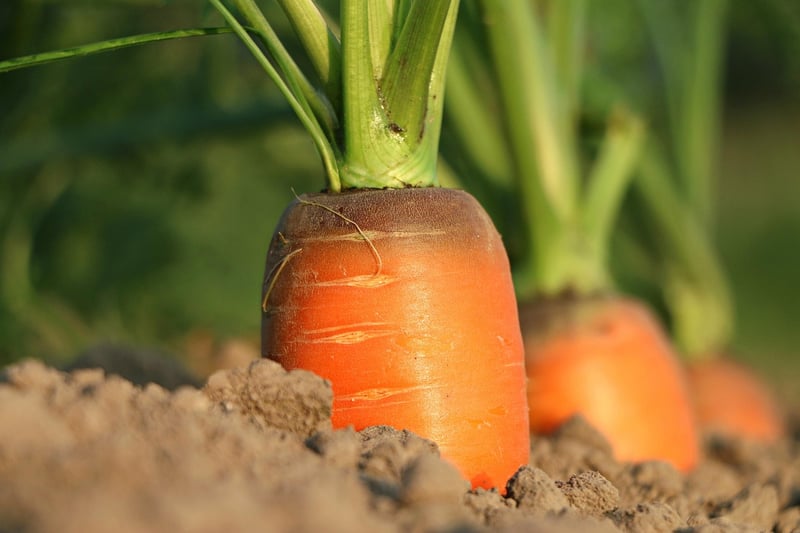
Maintaining Healthy Soil for Plants
Healthy soil is the foundation for successful plant growth. By ensuring your soil is rich in nutrients, well-aerated, and has the right pH levels, you can support vibrant and thriving plants in your garden or landscape. Here are some essential tips for maintaining healthy soil:
1. Regularly Test Your Soil
Testing your soil helps you understand its composition and nutrient levels. You can adjust the pH and nutrient content based on the test results to create an optimal environment for your plants.
2. Add Organic Matter
Organic matter such as compost, manure, or leaf mulch improves soil structure, adds essential nutrients, and encourages beneficial microbial activity. It also helps retain moisture in the soil.
3. Practice Crop Rotation
Rotating crops helps prevent nutrient depletion and reduces the buildup of pests and diseases in the soil. It also promotes a balanced ecosystem within your garden.
4. Mulch Your Soil
Mulching helps maintain soil moisture, suppresses weeds, and regulates soil temperature. Organic mulches like straw, wood chips, or shredded leaves also break down over time, enriching the soil.
5. Avoid Compaction
Compacted soil restricts root growth and reduces air circulation. Avoid walking or using heavy machinery on wet soil to prevent compaction. Consider using raised beds for planting in compacted areas.
6. Practice Watering Wisely
Overwatering can lead to waterlogged soil and root rot, while underwatering can stress plants. Water your plants deeply but infrequently to encourage deep root growth and healthy plants.
7. Consider Cover Crops
Planting cover crops like clover, vetch, or rye during the off-season can help improve soil fertility, prevent erosion, and suppress weeds. These cover crops can be turned into the soil to enrich it further.
8. Use Natural Fertilizers
Choose organic or slow-release fertilizers to provide nutrients to your plants gradually. Avoid over-fertilizing, as it can lead to nutrient imbalances and harm beneficial soil organisms.
By following these soil health tips, you can create a nurturing environment for your plants and promote sustainable gardening practices.

For more information on soil health and gardening tips, visit USDA NRCS Soils.